Late on a quiet Thursday night, when political attention had drifted elsewhere and social feeds were slowing, a short message attributed to Barack Obama reportedly cut through the noise with a simplicity that felt almost disruptive.
The message, according to screenshots shared widely online, contained no link, no branding, and no institutional framing, instead offering a spare appeal that reminded Americans that many children would still go to bed hungry.
Within hours, a second story began circulating, one that supporters describe as inspiring and critics immediately questioned, involving Pete Buttigieg and a sweeping personal response that challenged conventional expectations of political charity.
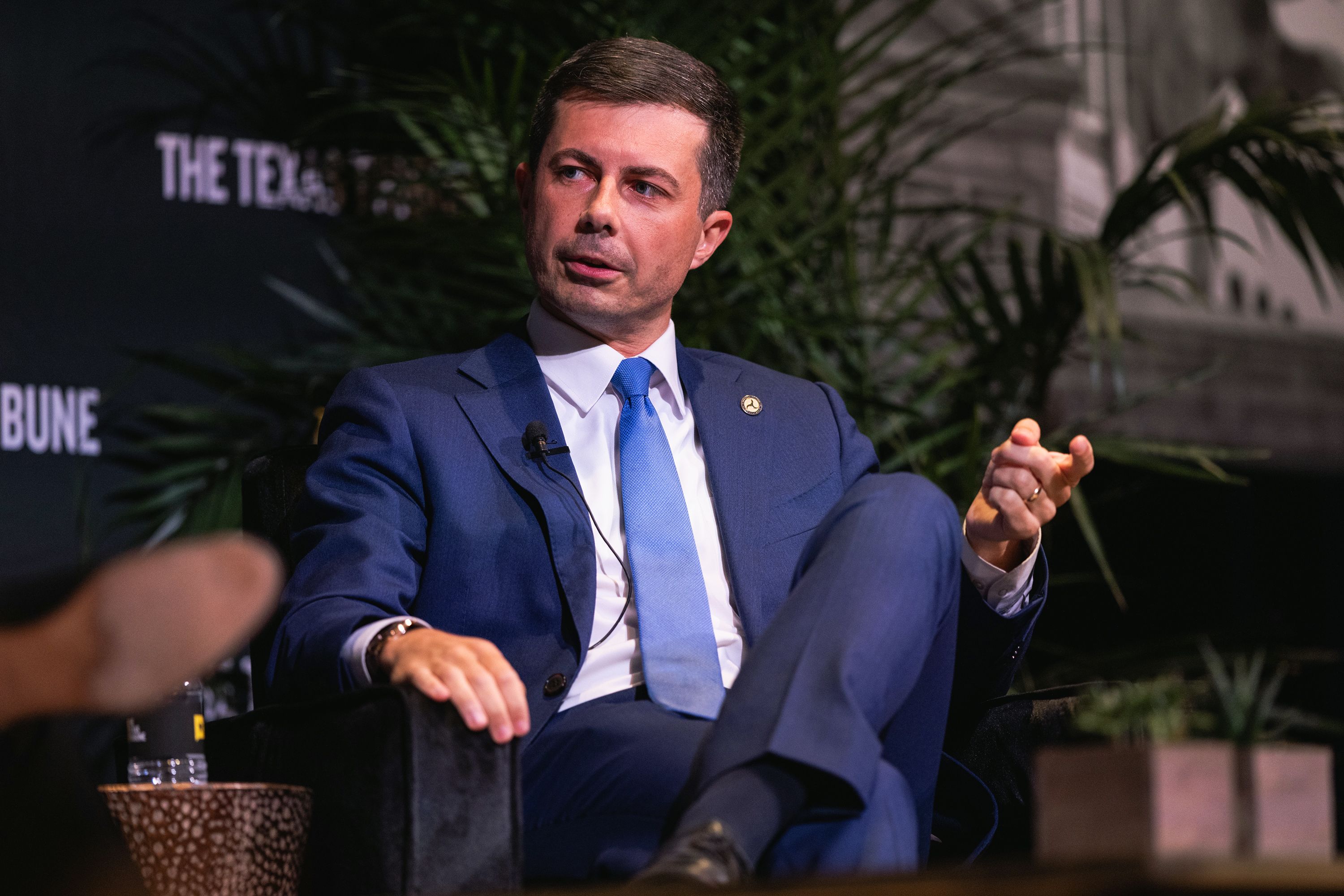
According to the narrative spreading across social platforms, Buttigieg quietly redirected what was described as his entire personal financial reserve toward food relief efforts, without public announcement or visible coordination with media outlets.
The claim, repeated in thousands of posts, suggested the funds were routed through an established nonprofit network, accelerating food deliveries nationwide ahead of the holiday season.
Supporters framed the alleged decision as an act of moral urgency rather than political calculation, emphasizing the absence of press conferences, fundraising emails, or social media promotion tied directly to Buttigieg himself.
What truly captured attention, however, was not the dollar figure but the imagery that followed, describing Buttigieg appearing unannounced at a local community center to assist volunteers as if he were simply another neighbor.
The visual symbolism of a nationally recognized political figure stacking boxes in obscurity quickly became the emotional centerpiece of the story, whether factual, embellished, or somewhere in between.

Online reaction exploded by morning, with hashtags celebrating quiet service climbing rapidly, while skeptics demanded verification, documentation, and clarification from reliable institutional sources.
This tension between emotional resonance and factual certainty became the fuel that pushed the story into trending territory, where meaning often outpaces confirmation.
Political commentators quickly split into camps, with some praising the narrative as a reminder of values long overshadowed by performative outrage, while others warned against mythologizing unverified claims.
Media ethicists noted that modern political storytelling increasingly operates in a space where symbolic truth competes directly with empirical rigor.
The involvement of Barack Obama, even indirectly through an alleged handwritten note shared online, added another layer of gravity and skepticism simultaneously.
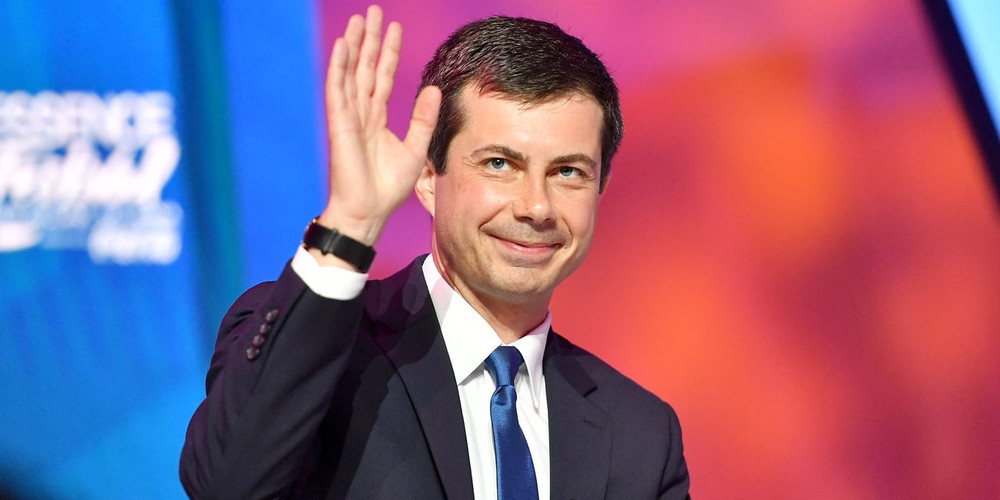
Supporters argued that Obama’s reputation for restraint lent credibility to the story, while critics countered that symbolic association should never substitute for documentation.
As the narrative spread, something else occurred that even skeptics acknowledged was real: people responded tangibly, donating, volunteering, and sharing stories of their own small contributions.
Food banks reported spikes in inquiries, truckers pledged extra deliveries, and local fundraisers cited the story as motivation, regardless of its precise origin.
Sociologists observing the moment argued that its power lay less in literal accuracy and more in the emotional permission it gave people to act collectively.
At the same time, political opponents accused supporters of exploiting hunger to manufacture a saintly image for a prominent Democratic figure.
Those critics warned that unverified hero narratives risk eroding public trust when later scrutiny inevitably exposes exaggerations or inaccuracies.
Yet even among critics, there was acknowledgment that the story struck a nerve because it contrasted sharply with the transactional tone dominating national politics.

The alleged refusal by Buttigieg to seek public credit became, paradoxically, the very element that fueled its virality.
Communication scholars note that audiences increasingly reward perceived authenticity, even when authenticity itself becomes a constructed narrative.
By the fourth day, the story had grown beyond its original contours, with reports of cumulative donations swelling far beyond the initial figures cited online.
At that point, the debate shifted from whether the story was literally true to whether it was culturally useful.
Some argued that even if exaggerated, the narrative reminded Americans of mutual responsibility in a way formal speeches rarely accomplish.
Others warned that celebrating unverified generosity could normalize misinformation, even when well intentioned.

But the emotional imagery endured, particularly the recurring description of Buttigieg returning repeatedly to volunteer work without cameras or public acknowledgment.
That persistence, real or symbolic, reinforced a longing among many Americans for leadership defined by presence rather than performance.
Political strategists quietly noted that such narratives, even accidental ones, shape public perception more effectively than carefully engineered messaging campaigns.
The story’s endurance suggested that Americans are not merely hungry for food security solutions, but for reassurance that empathy still exists within public life.
For a nation exhausted by constant confrontation, the idea of quiet service functioned as a counterweight to years of spectacle-driven politics.
Critics continued pressing for receipts, transparency, and institutional confirmation, arguing that accountability must not yield to sentiment.
Supporters countered that cynicism should not paralyze collective goodwill when tangible help is reaching families in need.
In that clash, the story became a mirror reflecting America’s broader struggle between skepticism and hope.
Whether every detail holds up under scrutiny may ultimately matter less than what the reaction reveals about public desire.
The episode underscores how quickly narratives now escape traditional gatekeeping, evolving in real time through shared emotion and participation.
It also highlights the ethical responsibility of audiences to balance inspiration with critical thinking.
In the end, the story did not resolve hunger, heal division, or settle debates about truth in political storytelling.
But it did, for a moment, prompt millions to pause, argue, donate, volunteer, and reflect.
And in a fractured media landscape, even that temporary alignment may explain why the narrative refuses to disappear.
Because whether admired, doubted, or dissected, the story asks a question America cannot easily ignore.
What kind of leadership do we actually want when no one is watching?
