




Steel City on Edge: The Secret Coaching Decision That Could Redefine the Pittsburgh Steelers and Shake the NFL to Its Core – huyenluxury
Pittsburgh has lived through dynasties, collapses, rebuilds, and legends, but rarely has the city felt a tension quite like this moment, where whispers inside the organization have begun to feel louder than any official announcement.
For weeks, sources close to the Steelers have hinted that this is no ordinary offseason adjustment, but a philosophical crossroads that could determine whether the franchise reclaims its feared identity or drifts further into competitive uncertainty.
What makes this situation explosive is not just the possibility of a coaching change, but the type of coach being discussed, a figure defined by discipline, defensive brutality, and an unforgiving standard that has reshaped teams before.

Inside league circles, executives describe the candidate as someone who does not sell hope through press conferences, but enforces belief through structure, accountability, and a ruthless commitment to preparation that leaves no room for shortcuts.
Steel City fans, known for their loyalty and football intelligence, have sensed something brewing, as silence from the front office has only intensified speculation rather than calming it, fueling debates across radio shows, bars, and social platforms.
The Steelers are not just another franchise searching for relevance, because their history carries weight, and every decision is measured against Lombardi trophies, legendary defenses, and a culture built on toughness rather than excuses.
According to insiders, the name circulating behind closed doors is not flashy, not viral, and not designed to win headlines, but it carries a reputation for transforming rosters into disciplined units opponents dread facing late in the season.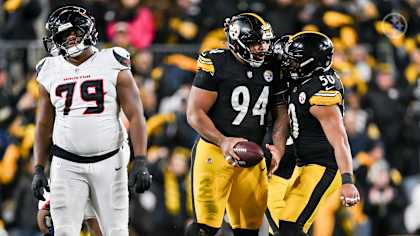
This coach’s philosophy is said to revolve around one central belief, that football games are not won in highlight moments, but in relentless execution, physical dominance, and the mental breaking of opponents who cannot match the standard.
Former players who have worked under similar systems describe environments where practices are harder than games, mistakes are confronted immediately, and accountability applies equally to stars, rookies, and veterans with long contracts.
That mindset resonates deeply in Pittsburgh, a city that has never embraced glamour, but has always respected work ethic, toughness, and the idea that respect is earned every Sunday through physical and mental commitment.
What makes the rumor even more controversial is the timing, as the Steelers stand at a delicate point, balancing respect for continuity with the undeniable frustration of postseason disappointment and unmet expectations.
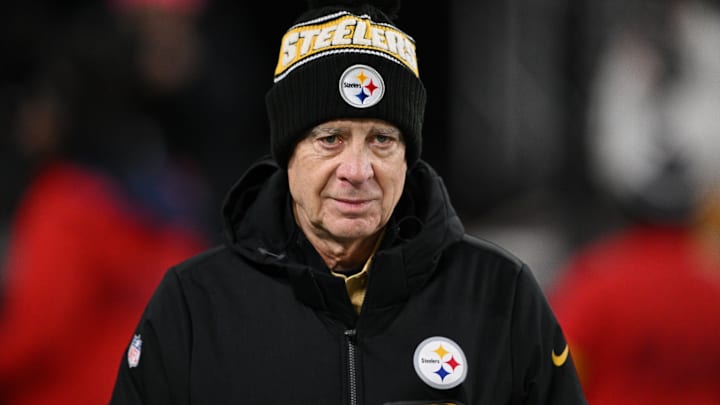
Some fans argue that stability has been the franchise’s greatest strength, pointing to decades of consistent leadership as proof that patience, not panic, defines Steelers football.
Others counter that loyalty without results becomes stagnation, and that the modern NFL punishes teams unwilling to evolve or make bold decisions when championship windows quietly begin to close.
Social media has turned the speculation into a full-blown cultural debate, with hashtags clashing, timelines splitting, and fans arguing whether fearsome defense still wins championships in an era dominated by explosive offenses.
Analysts have weighed in cautiously, noting that while offensive innovation dominates headlines, postseason football consistently rewards teams that tackle well, control tempo, and impose physical will when weather, pressure, and stakes rise.
The rumored coach’s track record reportedly includes transforming average defenses into elite units within two seasons, emphasizing fundamentals, conditioning, and a relentless film study culture that exposes opponents’ weaknesses mercilessly.

Critics, however, warn that such hardline approaches can clash with modern player empowerment, potentially creating friction in locker rooms where athletes expect collaboration rather than command.
Supporters respond that winning cures most conflicts, and that players ultimately respect leaders who prepare them to succeed, protect them with structure, and refuse to compromise standards for convenience or comfort.
Inside the Steelers organization, sources suggest that ownership understands the magnitude of this decision, recognizing that it would signal a clear message about the franchise’s direction and tolerance for mediocrity.
This is not just about wins and losses, but about identity, about whether the Steelers will double down on their historic strengths or attempt to chase trends that may not align with their DNA.
Former Steelers legends have reportedly been consulted informally, reflecting a respect for institutional memory and a desire to ensure that any new direction honors the foundation laid by generations of champions.
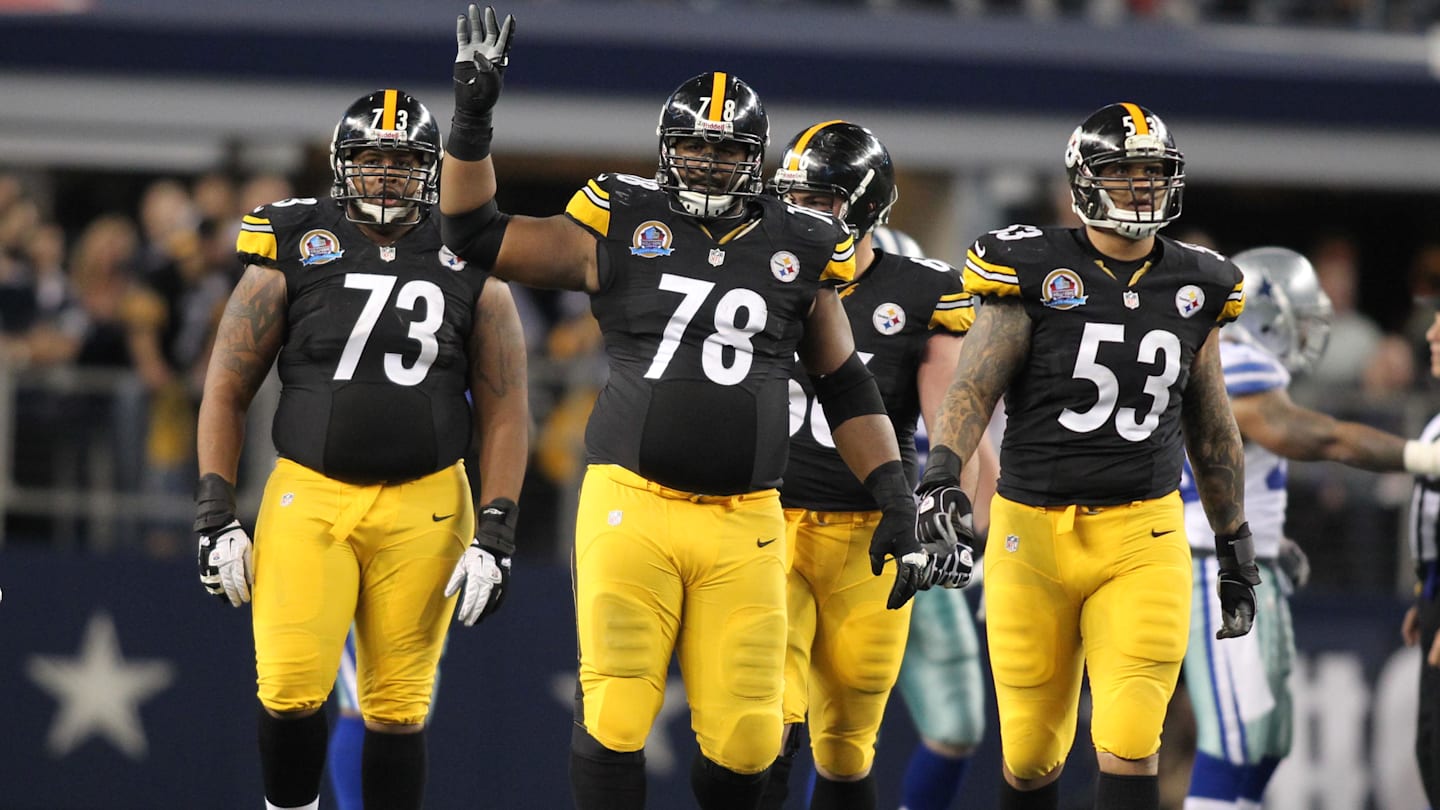
One former defensive star was quoted privately saying that Pittsburgh never feared anyone when its defense set the tone, because opponents knew they would be punished for four quarters without mercy or relief.
The potential hire has also sparked league-wide attention, with rival teams quietly monitoring developments, aware that a revitalized Steelers defense could shift power dynamics within the AFC.
Executives from other franchises acknowledge that Pittsburgh, when aligned philosophically, becomes one of the most difficult teams to prepare for, especially in December and January.
Media outlets have begun framing the story not as a rumor, but as a litmus test for how franchises balance tradition with adaptation in an NFL that changes faster every season.
The secrecy surrounding the situation has only intensified interest, as no official denials have been issued, and carefully worded statements have done little to slow speculation.
Fans have dissected every press conference, every sideline interaction, and every front office silence, searching for clues that might confirm or deny what many believe is already in motion.
What remains clear is that this moment feels different, heavier, and more consequential than typical offseason chatter, because it touches the core of what Steelers football is supposed to represent.

If the move happens, it will not be celebrated universally, as no transformative decision ever is, but it will demand patience, resilience, and belief from a fan base accustomed to excellence.
If it does not happen, questions will linger about missed opportunities, about whether caution outweighed ambition at a time when boldness might have been required.
Either way, the conversation has already begun reshaping expectations, forcing fans, analysts, and players alike to confront uncomfortable truths about where the Steelers stand in the modern NFL hierarchy.
This is why the rumor refuses to fade, because it is not really about one coach, but about a franchise deciding who it wants to be when the pressure is highest and excuses no longer apply.
Steel City now waits, holding its breath, aware that one decision, made quietly in a boardroom, could echo for years across Sundays, seasons, and the legacy of one of football’s most storied franchises.
And if history has taught Pittsburgh anything, it is that moments like this, uncomfortable and divisive, are often the ones that define eras, for better or for worse, long after the noise fades.
