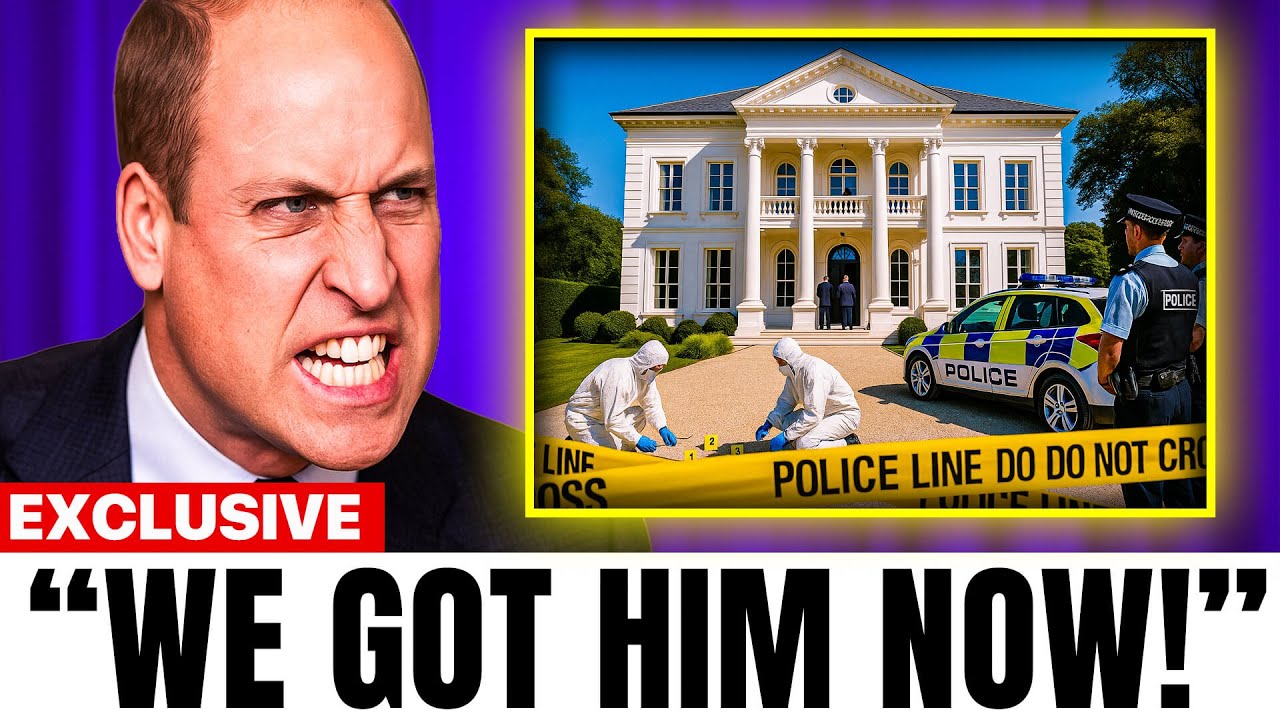
For years, whenever the British royal family dispersed for their summer retreats, one name quietly slipped off every official schedule. No balcony waves, no smiling photo calls, no polite mentions in palace briefings.
Prince Andrew simply vanished.
There were no travel details, no staff convoys, no sightings at Balmoral or abroad. It was as if he stepped out of the royal world and into a silence no one dared to question. Inside the palace, it was put down to “privacy.” Outside it, aides changed the subject. But in the English countryside, behind high hedges and winding lanes, locals had another name for his disappearances.
They called it the Still House.
Shrouded in ivy and silence, the villa was said to be unlike any other royal refuge. No post was delivered. No familiar household staff came and went. Workers were hired on private contracts, bound by strict confidentiality agreements, and quietly dismissed before they could build memories or patterns.
At first, no one looked too closely. Royals seeking seclusion was nothing new. After years of controversy, many assumed Andrew simply wanted to escape the cameras and the judgment. Time to reflect. Time to disappear.
But as the summers stretched on, the silence around the Still House began to feel unnatural. Too neat. Too absolute. Even within palace walls, unease began to rise. How could a senior royal vanish for weeks at a time with no oversight, no security reports, no trace?
Eventually, the question reached the one man who could no longer ignore it.
King Charles III.

The King’s Secret Visit
What began as a routine review turned into the most unsettling day of his reign.
While examining a list of private properties tied to royal finances, the King’s eye caught a familiar name: a countryside villa quietly maintained under the Duke of York’s care. The Still House.
This time, Charles decided not to sign off on the page and move on. He opted to see it for himself.
Prince William joined him—part duty, part curiosity, part dread. There would be no press, no fanfare, no official motorcade. Just a quiet car slipping through country mist toward a house the palace rarely acknowledged out loud.
As their vehicle passed through wrought-iron gates, the villa appeared like something frozen in time: immaculate lawns, perfectly raked gravel, gleaming windows. Everything in its place. Everything too in its place.
Inside, the unease deepened.
The scent of lavender hung in the air, but beneath it was something cold, preserved, almost clinical. A long dining table was set for twelve, though Andrew was known to dine alone. A stack of letters in his handwriting lay on a desk—unaddressed, unsent. On a grand piano, only one ivory key bore a faint smudge, as if someone had pressed it once and walked away.
Upstairs, the Duke’s bedroom looked like a stage set waiting for an absent actor. The bed was perfectly made. A glass of water sat on the nightstand—clear, fresh, untouched. An open book lay beside it, spine unbroken.
It all felt less like a lived-in home and more like a memory carefully arranged not to be disturbed.
Then came the sound.
A faint metallic click behind the paneled wall.
The King pressed his hand against the wood. A section shifted, revealing a narrow staircase descending into darkness. Father and son exchanged a look and stepped inside.

The air grew colder as they entered a small hidden chamber. Shelves lined the walls, stacked with boxes, photographs, and a single leather-bound journal embossed with a strange crest. Inside: coded notes, unfamiliar names, records of meetings that should never have existed.
When Charles finished reading, his face changed. Whatever he saw in those pages didn’t just disturb him—it hardened him. Without a word, he closed the journal, sealed the passage, and left the house.
By nightfall, the Still House was locked down under direct royal order. The official reason given to staff? “Structural concerns.”
But those who saw the King’s expression knew better. This was no inspection. This was a discovery.
Erasing a Prince
What followed was swift and surgical.
Files mentioning the villa disappeared from internal systems. Maintenance schedules were rewritten. Financial records showed sudden gaps. Staff once assigned to the property were quietly moved elsewhere; those who had been there the day of the King’s visit never spoke of it again.
Within days, attention turned to Royal Lodge, Prince Andrew’s longtime residence near Windsor. It had once symbolized grace, favor, and the lingering warmth of his late mother’s affection.
Now it became a liability.
The announcement was clinical and cold. Andrew would no longer be known as His Royal Highness. His military titles and royal patronages were removed. His privileges revoked. What remained was a new name in official documents:
Andrew Mountbatten-Windsor.
Staff at Royal Lodge were given orders to leave. Neighbors spoke of seeing the disgraced prince pacing the grounds alone, shoulders bent, as if the weight of something unseen pressed too heavily to bear.
The last time a royal duke had been stripped of his title was a century ago. Then, it had been war and open allegiance to an enemy. This time, there was no speech in Parliament, no dramatic vote—only silence, speed, and a sense of something far more personal.
Whatever the King discovered beneath the Still House had forced his hand.

Secrets Too Heavy to Surface
Life at the palace appeared to return to normal: banquets resumed, ceremonies sparkled, and the public saw only shining crowns and rehearsed smiles. But beneath the surface, something had shifted.
The King seemed older overnight. Lights in his study burned late. Prince William, now drawn deeper into the workings of the crown, was seen leaving private meetings with a pale, unsettled expression.
Then, one night, a black car arrived at the palace with a single sealed case marked:
FOR HIS MAJESTY’S EYES ONLY.
What lay inside, only the King knows. Witnesses speak of him turning page after page in heavy silence, the color draining from his face. By dawn, the case was gone—burned, shredded, or locked away beyond reach.
In the weeks that followed, departments were quietly reorganized. Archives vanished into review. Long-serving aides were reassigned. And one phrase began to whisper its way through the royal corridors:
“Whatever was discovered must never see the light of day.”
The villa itself faded from records. Some say it was sold, its ownership buried behind offshore accounts. Others insist the building still stands, silent and untouched, ivy creeping higher, its windows dark—save for the occasional flicker of light on certain nights, like a secret refusing to die.
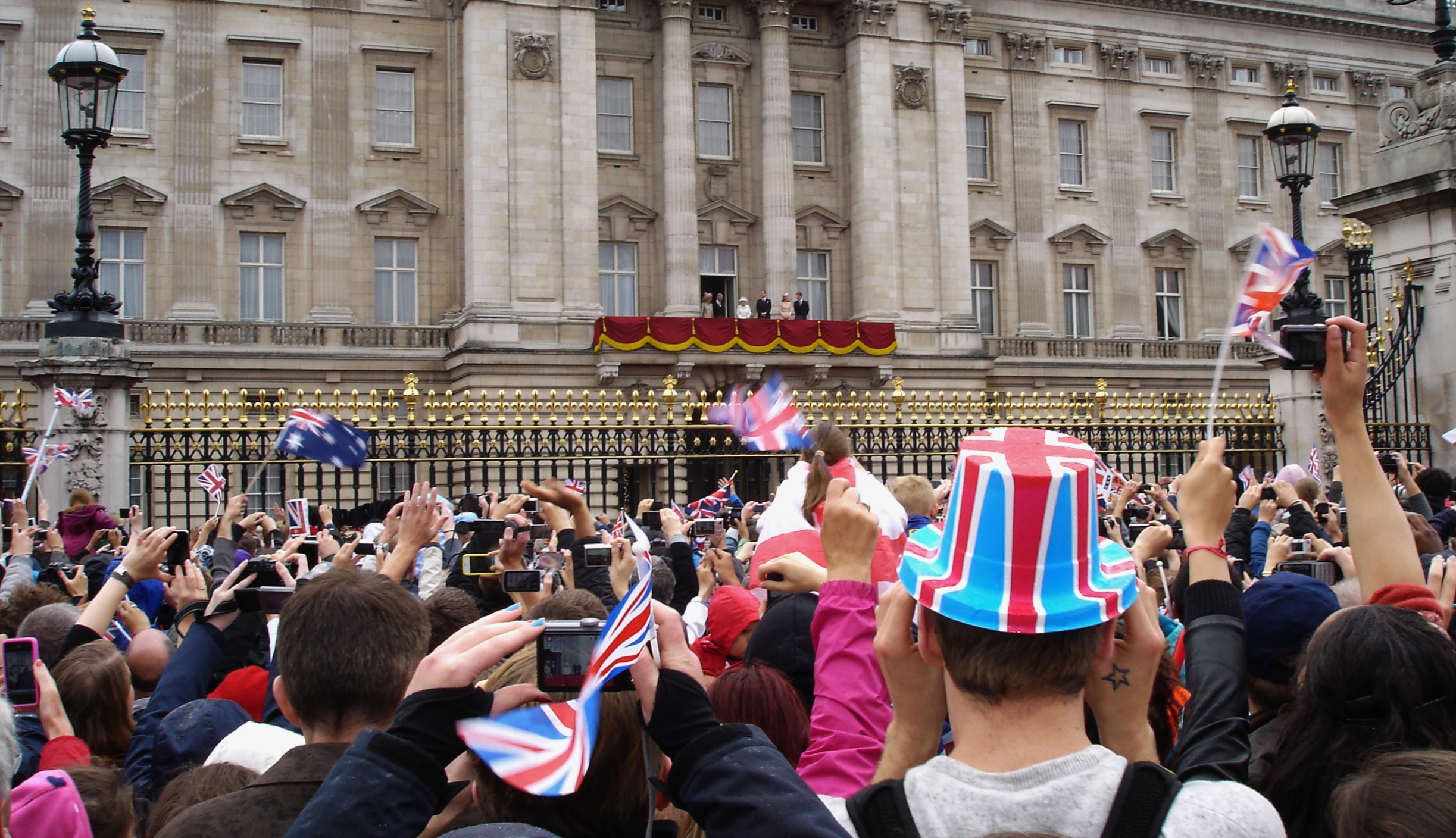
Can a Secret Outlive a Crown?
Officially, the story doesn’t exist. No statements. No inquiries. No headlines.
Unofficially, it’s a ghost that lingers everywhere the monarchy walks. In the way Andrew’s name is avoided at formal dinners. In the way the King’s gaze sometimes drifts when the past is mentioned. In the way staff lower their voices when talk strays too close to that summer and that house.
The British monarchy has survived wars, abdications, scandals, and tragedies by mastering one thing above all: silence. Silence that protects. Silence that controls. Silence that buries.
But silence is never truly empty. It hums. It remembers.
Somewhere in the English countryside, wrapped in ivy and shadow, the memory of what was found beneath the Still House still waits—unnamed, unspoken, and unresolved.
And the question hangs in the air, heavier than any crown:
Can a secret this powerful really stay buried forever?
