Rep. Jasmine Crockett sent a political shockwave through Washington and across social media after branding President Donald Trump “the most destructive president to human beings,” a phrase that instantly vaulted her remarks into the center of America’s ongoing cultural and ideological war.
The comment did not land quietly or ambiguously, instead detonating across digital platforms where supporters hailed it as moral clarity, while critics accused Crockett of weaponizing outrage to dominate headlines rather than engaging voters on measurable policy outcomes.
Within minutes, video clips circulated widely, stripped of extended context but amplified by emotional reactions, demonstrating once again how modern political influence often depends less on legislation and more on moments engineered for maximum viral velocity.
Crockett’s allies argue her words reflect accumulated frustration shared by millions who believe Trump’s leadership normalized cruelty, destabilized institutions, and eroded social trust, making sharp language not only justified but necessary in an era of heightened stakes.
Opponents counter that such rhetoric oversimplifies complex realities, claiming Trump’s record on border enforcement, energy independence, employment growth, and criminal justice reform delivered tangible benefits that critics deliberately ignore in favor of emotionally charged condemnation.
Conservative commentators quickly framed Crockett’s statement as performative outrage, suggesting it reflects a broader strategy within progressive politics to substitute moral absolutism for detailed debate on affordability, public safety, and economic stability.
The phrase “most destructive president to human beings” became a lightning rod, not because it introduced new arguments, but because it compressed years of political grievance into a single sentence designed to provoke reaction rather than reconciliation.
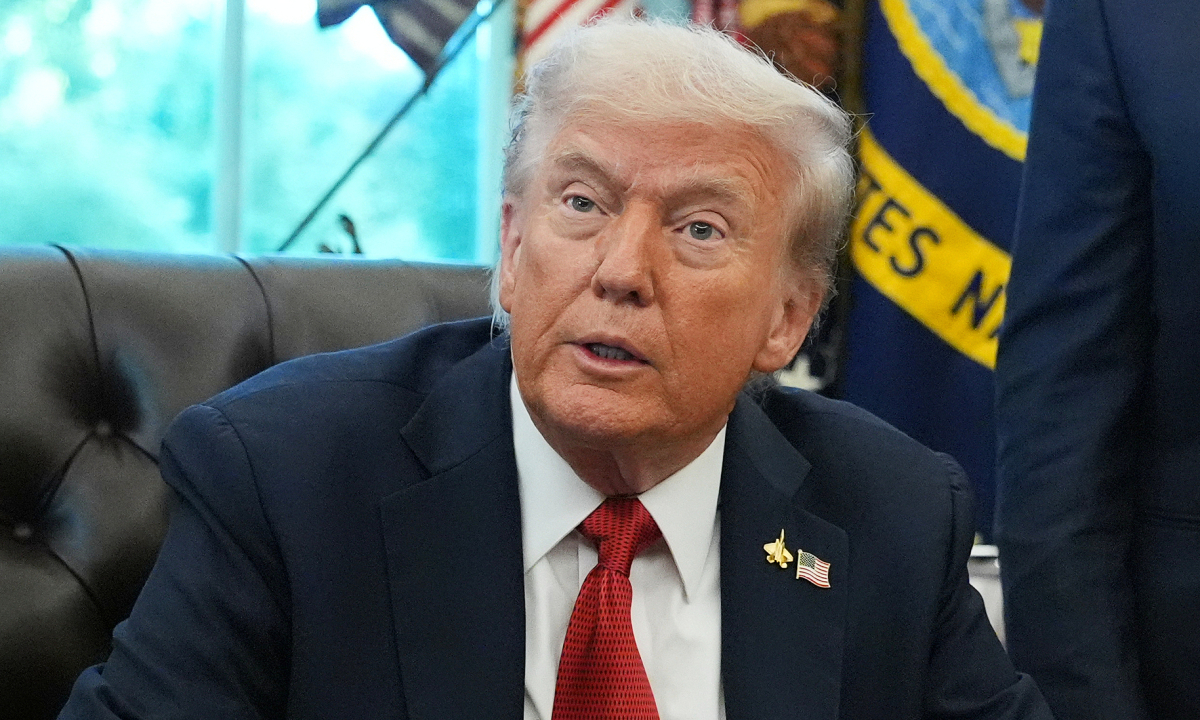
Supporters insist that provocation itself has become an essential political tool, arguing that restrained language failed to halt what they view as long-term damage inflicted on democratic norms, vulnerable communities, and America’s global reputation.
Critics warn that escalation carries its own cost, deepening polarization and hardening tribal loyalties in ways that leave little room for compromise, even when consensus might benefit voters across ideological lines.
Political strategists note that Crockett’s rise has been fueled by precisely this style of confrontation, where sharp soundbites transform congressional exchanges into shareable moments that extend influence far beyond committee rooms.
Her defenders see authenticity in that approach, arguing that voters increasingly reward politicians who speak plainly, even harshly, rather than those who hide behind carefully sanitized language crafted to offend no one.
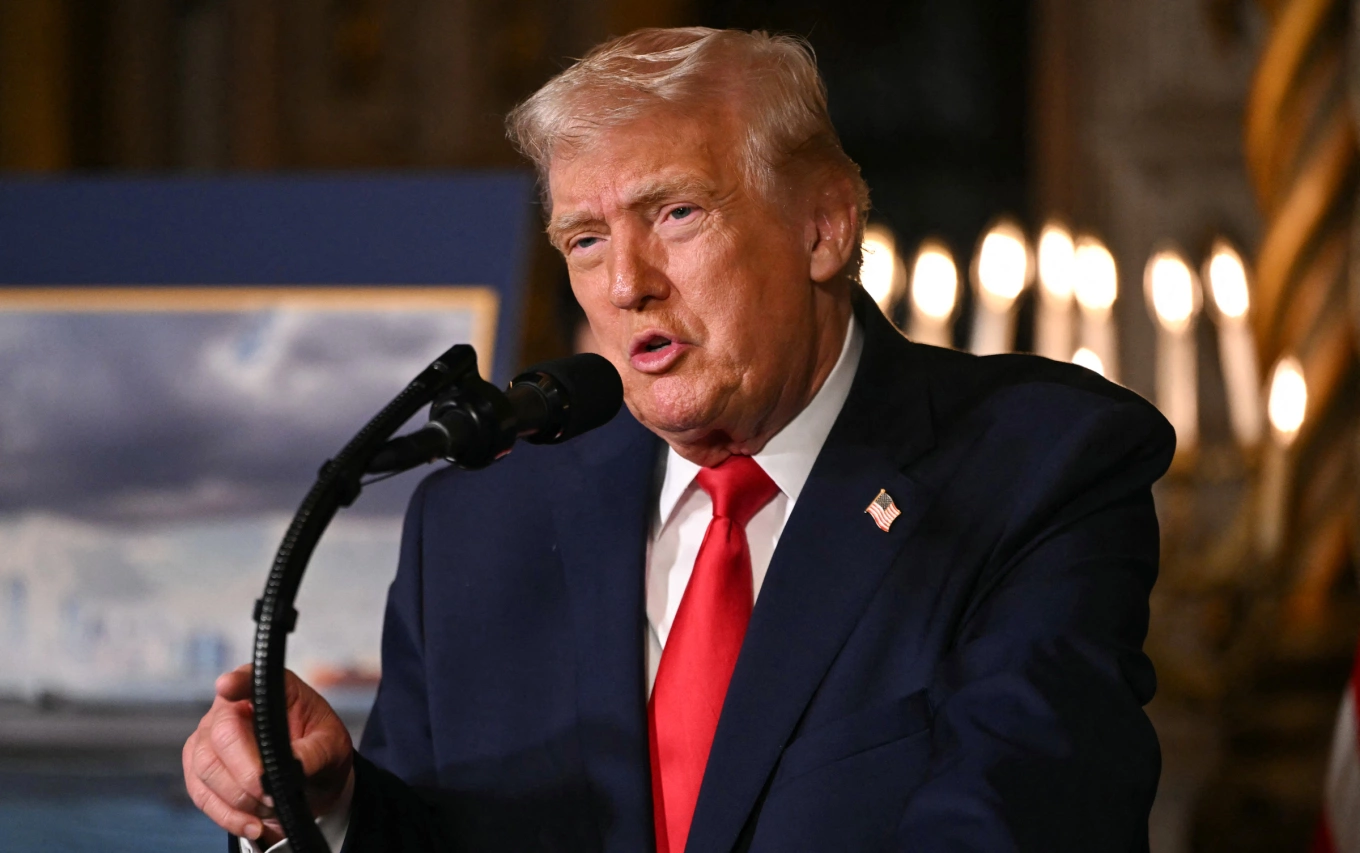
Skeptics respond that authenticity without specificity risks becoming spectacle, replacing substantive policy discussion with rhetorical combat that generates clicks, donations, and followers but delivers few concrete solutions.
The conservative backlash was swift, emphasizing data points supporters believe contradict Crockett’s claim, including reduced energy costs during Trump’s term, historically low unemployment figures, and criminal justice reforms praised by bipartisan advocates.
Progressives dismiss those rebuttals as selective accounting, arguing that economic indicators fail to capture social harm, long-term institutional damage, or the emotional toll experienced by communities targeted through rhetoric and policy.
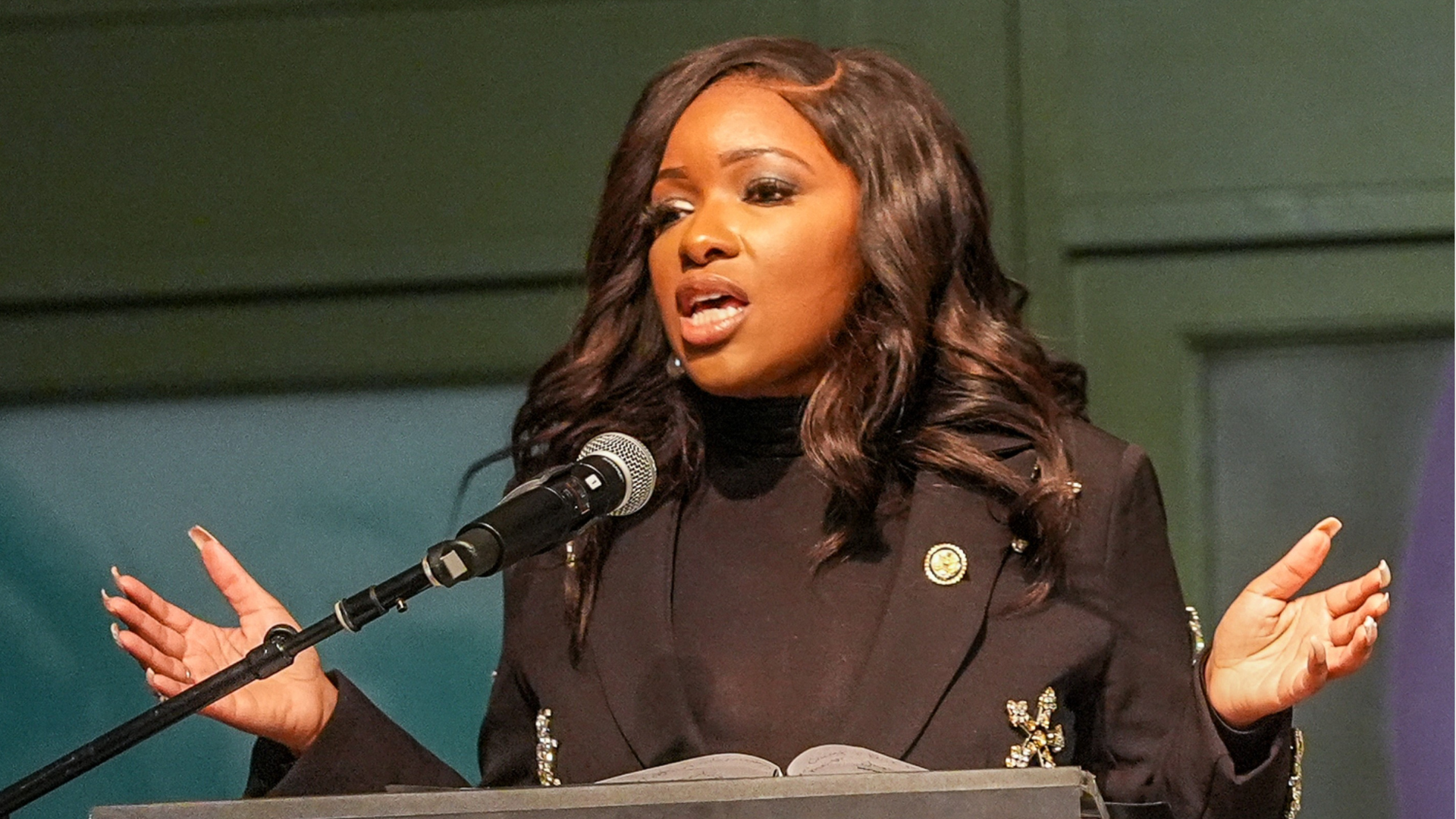
This clash underscores a deeper divide over how political success should be measured, whether through economic metrics alone or through broader assessments of social cohesion, democratic integrity, and moral leadership.
Online, the debate unfolded predictably yet intensely, with hashtags colliding, comment sections exploding, and influencers on both sides framing the controversy as proof their opponents fundamentally misunderstand reality.
Media outlets amplified the moment further, transforming a single sentence into a multi-day news cycle that eclipsed quieter legislative developments unfolding simultaneously on Capitol Hill.
Some analysts argue that such moments reveal how American politics increasingly operates as narrative warfare, where controlling emotional framing matters as much as passing laws or winning elections.
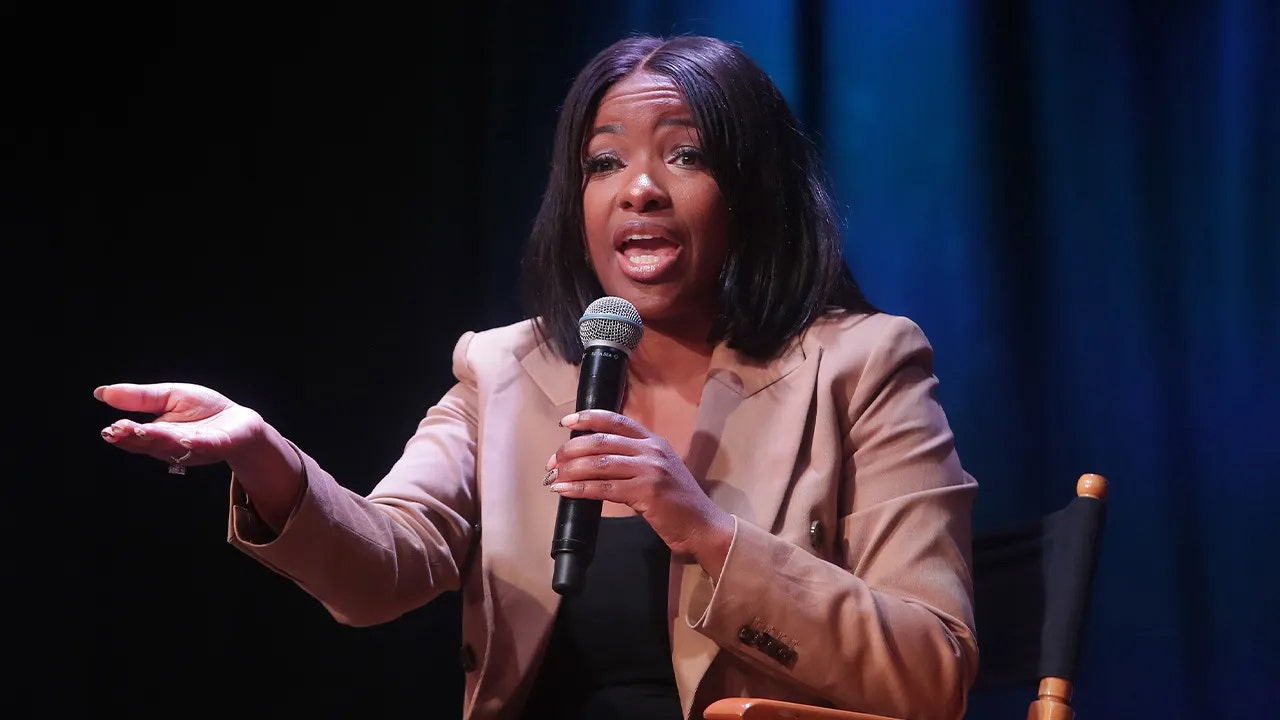
For Crockett, the moment represents both opportunity and risk, elevating her national profile while ensuring every future statement will be scrutinized through the lens of this explosive characterization.
Her critics suggest the remark may alienate moderate voters fatigued by constant escalation, while supporters believe clarity, not caution, is what mobilizes disengaged citizens in an era of deep cynicism.
Trump’s supporters seized on the controversy to reinforce claims that opposition figures rely on demonization rather than dialogue, portraying Crockett’s words as emblematic of elite contempt for ordinary Americans.
Democratic activists counter that discomfort is precisely the point, arguing that meaningful change has never emerged from polite disagreement alone, but from moments that force society to confront uncomfortable truths.
The controversy also raises questions about accountability, asking whether dramatic language advances public understanding or merely entrenches existing divisions without altering material conditions.

As reactions continue to ripple outward, the episode illustrates how a single sentence can reshape political conversation, redirect media focus, and redefine a lawmaker’s public identity overnight.
Whether Crockett’s statement ultimately strengthens her influence or limits her appeal will depend on how effectively she translates attention into sustained engagement on issues voters experience daily.
For now, the remark stands as a case study in modern political communication, where outrage, identity, and ideology intersect within seconds, leaving lasting impressions long after facts and figures fade.
In a nation already divided, this was not merely a quote, but a catalyst, reigniting debates about leadership, responsibility, and the power of words in shaping America’s political future.
