What unfolded on live television was not merely a heated exchange, but a collision of narratives that instantly ignited partisan outrage, online obsession, and a broader argument about truth, spectacle, and accountability in modern American politics.
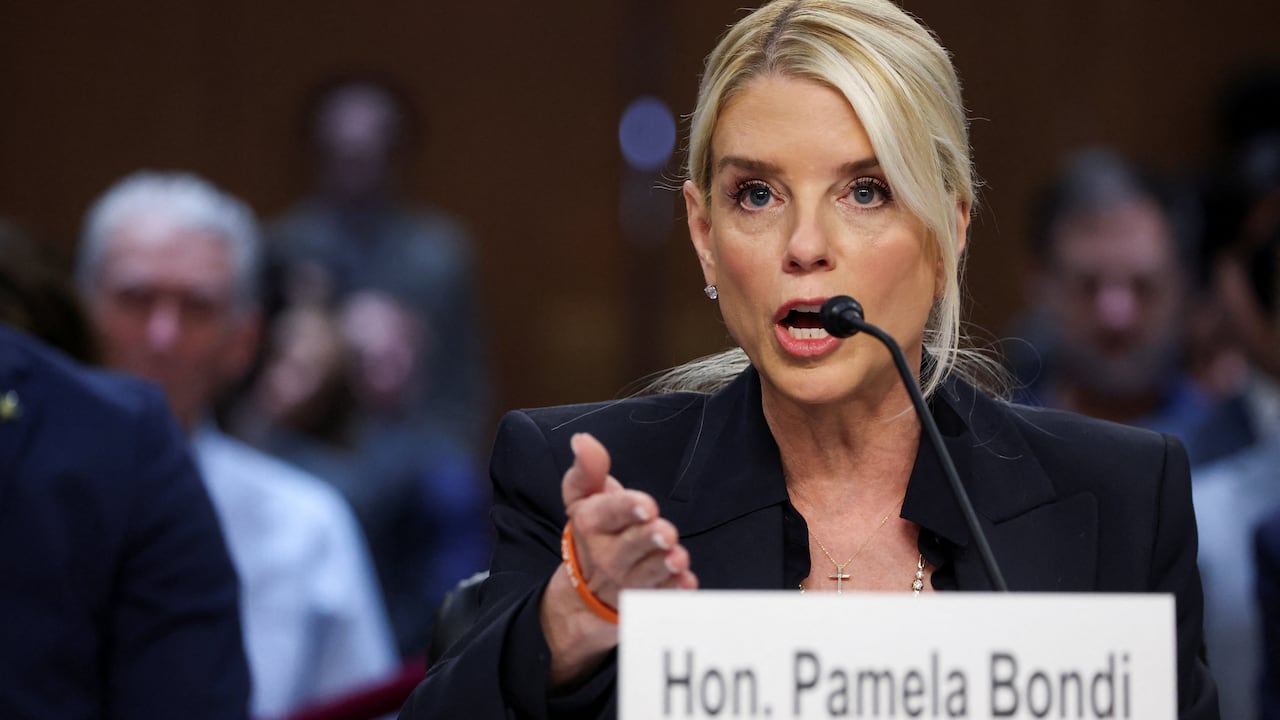
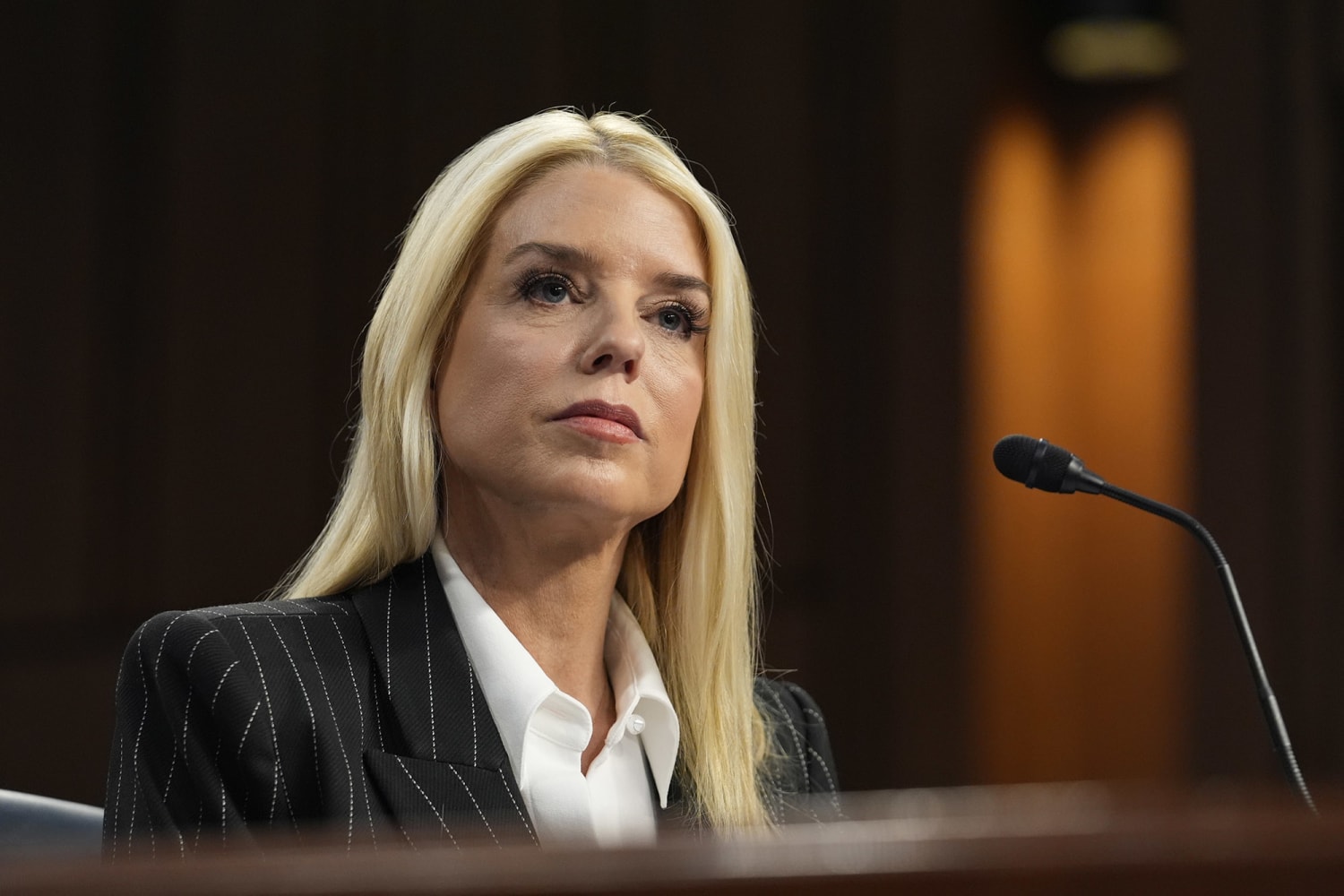
From the opening frame, the atmosphere carried tension, with Pam Bondi seated stiffly in a red blazer, projecting discipline and control as cameras rolled without warning or the usual softening banter.
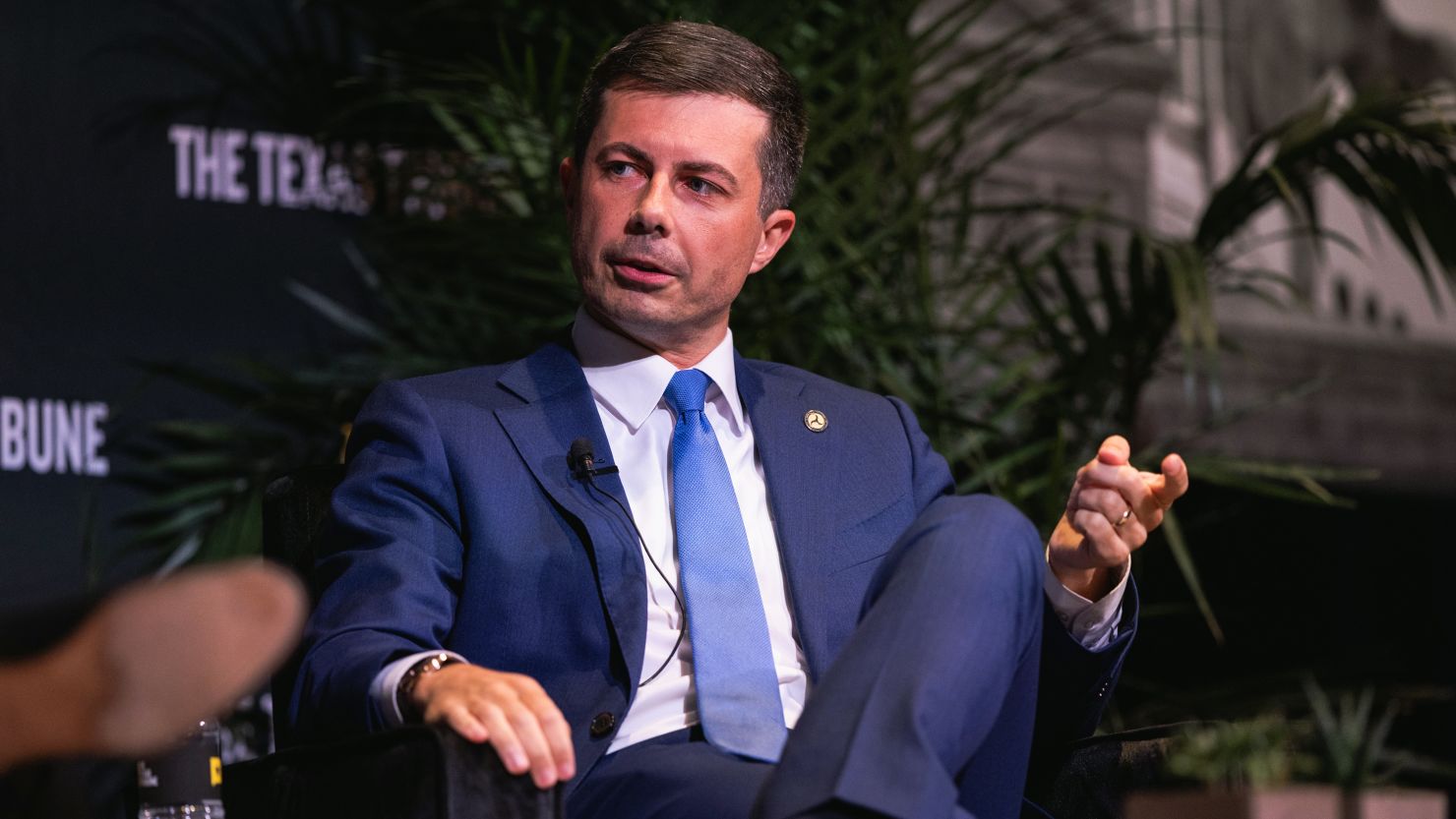
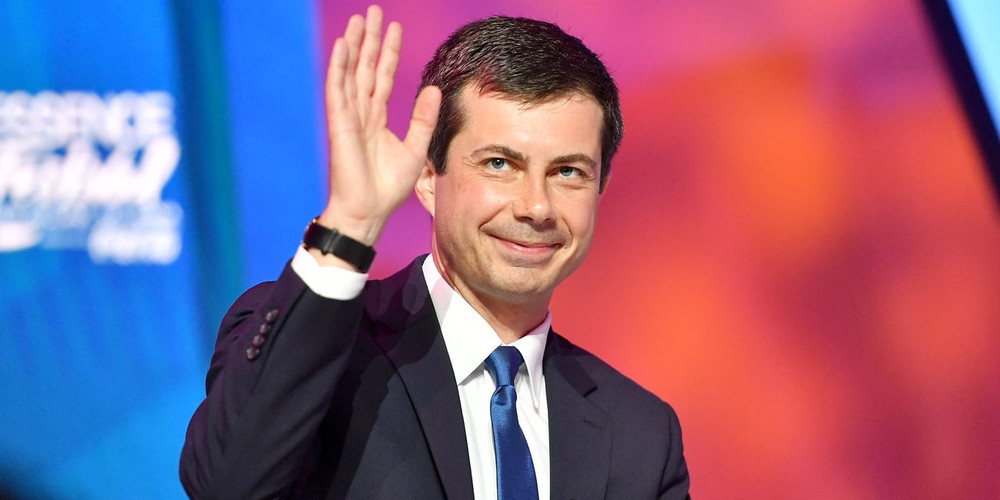
Pete Buttigieg’s entrance disrupted that balance immediately, bypassing the host’s cues and positioning himself directly opposite Bondi, signaling confrontation rather than conversation, and reframing the segment into something far less predictable.

Within seconds, Buttigieg leveled allegations that reverberated across social media, accusing Donald Trump of receiving massive foreign payments tied to tariff decisions, claims framed as documented but immediately contested.
Bondi’s response was sharp and unyielding, rejecting the accusations outright and framing them as politically motivated smears, insisting any financial dealings were legal, disclosed, and deliberately mischaracterized for electoral theater.
What made the exchange combustible was not only the substance of the claims, but the certainty with which both sides delivered them, leaving viewers to decide whether they were witnessing revelation or performance.
Buttigieg escalated by referencing alleged financial records and offshore disclosures, language designed to evoke secrecy and corruption, while carefully avoiding direct presentation of documents on air.
Bondi countered with force, demanding evidence rather than rhetoric, and accusing Buttigieg of leveraging insinuation instead of proof, a charge that resonated strongly with Trump’s supporters watching live.
The studio fell into an unusual stillness after Buttigieg promised that documentation would surface later that evening, a statement that functioned as both threat and teaser in the age of viral media cycles.
For more than a minute, no one spoke, a silence that television producers typically avoid at all costs, yet one that amplified the drama and fueled immediate speculation across platforms.
Within minutes, clips circulated online, stripped of context and replayed with captions that framed the encounter as either a courageous exposure or an irresponsible ambush, depending on ideological alignment.
Hashtags surged, view counts multiplied rapidly, and partisan influencers declared victory before any independent verification could meaningfully occur, demonstrating how speed now eclipses scrutiny in political discourse.
Trump’s response on social media was predictably dismissive, rejecting the allegations with personal insults rather than substantive rebuttal, a tactic familiar to both supporters and critics.

Buttigieg’s subsequent post, interpreted by followers as corroboration, intensified the controversy, while skeptics immediately questioned authenticity, sourcing, and the legality of sharing such material publicly.
Legal analysts quickly weighed in, noting that televised accusations carry significant risk, particularly when they involve precise financial figures, foreign governments, and claims of quid pro quo arrangements.
Others argued that raising such allegations publicly forces transparency, contending that institutional checks often fail without external pressure created by moments of high visibility.
The network itself faced scrutiny, with critics accusing Fox News of enabling spectacle over substance, while defenders claimed the segment exemplified robust debate rather than editorial endorsement.
Behind the outrage lay a deeper issue: the erosion of shared standards for evidence, where screenshots, leaks, and anonymous sourcing often substitute for formal investigation in the public imagination.
Supporters of Buttigieg framed the exchange as overdue accountability, arguing that aggressive questioning is necessary when traditional oversight mechanisms appear compromised or stalled.
Supporters of Bondi countered that reckless accusations undermine democratic norms, turning complex financial and trade policy issues into simplified morality plays designed for virality.
The sheer velocity of the reaction underscored how political moments now live simultaneously as news events, entertainment products, and social currency, each influencing perception differently.
In that environment, silence can be interpreted as guilt, denial as evasion, and caution as weakness, leaving little room for measured analysis.
Economists noted that claims involving tariffs and foreign consulting arrangements require careful contextualization, as international trade mechanisms often involve legal complexities unfamiliar to general audiences.
Yet nuance struggled to survive amid emotionally charged framing that favored confrontation over clarification and immediacy over verification.
For undecided viewers, the spectacle raised unsettling questions about whom to trust when institutions, media, and political actors all accuse each other of deception.
For committed partisans, the exchange merely reinforced existing beliefs, demonstrating once again how confirmation bias shapes interpretation more powerfully than evidence itself.
What made the moment uniquely volatile was its blend of legal accusation, moral indictment, and performative certainty, all delivered within a timeframe shorter than most commercial breaks.
As commentators replayed the clip, many acknowledged that regardless of factual outcomes, the encounter had already succeeded in dominating the narrative cycle.
That dominance reflects a media ecosystem where attention often precedes truth, and where allegations can achieve permanence even if later disputed or disproven.
Whether investigations follow, lawsuits emerge, or clarifications are issued, the initial emotional imprint may prove more enduring than any subsequent correction.
In that sense, the clash was less about resolving questions than about weaponizing uncertainty itself.
The broader implication extends beyond any single figure, touching on how democratic societies process accusation, defense, and accountability in real time.
When televised confrontation becomes a substitute for institutional inquiry, the line between journalism and theater blurs dangerously.
Yet many viewers also expressed hunger for confrontation, interpreting restraint as complicity and aggression as honesty.
This contradiction sits at the heart of modern political communication, where outrage drives engagement but corrodes trust.
As the dust settles, one reality remains clear: the sixty-two seconds of silence did not end the argument, but multiplied it.
They opened a thousand threads, reactions, and interpretations that will echo long after documents are debated or dismissed.
Whether the claims withstand scrutiny or collapse under investigation, the moment has already reshaped how political accountability is performed in public.
In an era where perception often outruns proof, the Bondi–Buttigieg clash stands as a case study in the power and peril of live television politics.
It reminds audiences that what feels decisive in the moment may be unresolved in reality, and that clarity rarely emerges from confrontation alone.
As America continues arguing not only about what happened, but about how to judge what happens, moments like this will keep testing the country’s appetite for truth over theater.
