The Wall of Ink: Inside the High-Stakes Clash Over the Epstein-Trump Archives
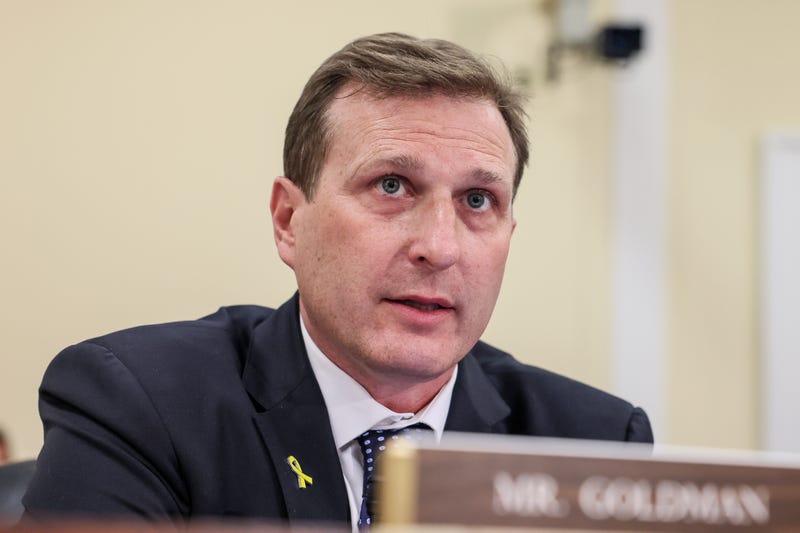
WASHINGTON — For nearly five hours on Tuesday, the House Judiciary Committee hearing room felt less like a center of government oversight and more like a forensic laboratory where the subject under the microscope was the integrity of the American justice system itself. What began as a procedural review of the 2026 Epstein file disclosures rapidly devolved into a visceral, high-decibel confrontation between Representative Dan Goldman and Attorney General Pam Bondi. At the heart of the storm was a single, heavily redacted email that Goldman alleges contains the “missing link” in the public’s understanding of Donald Trump’s historical ties to the late sex offender Jeffrey Epstein.
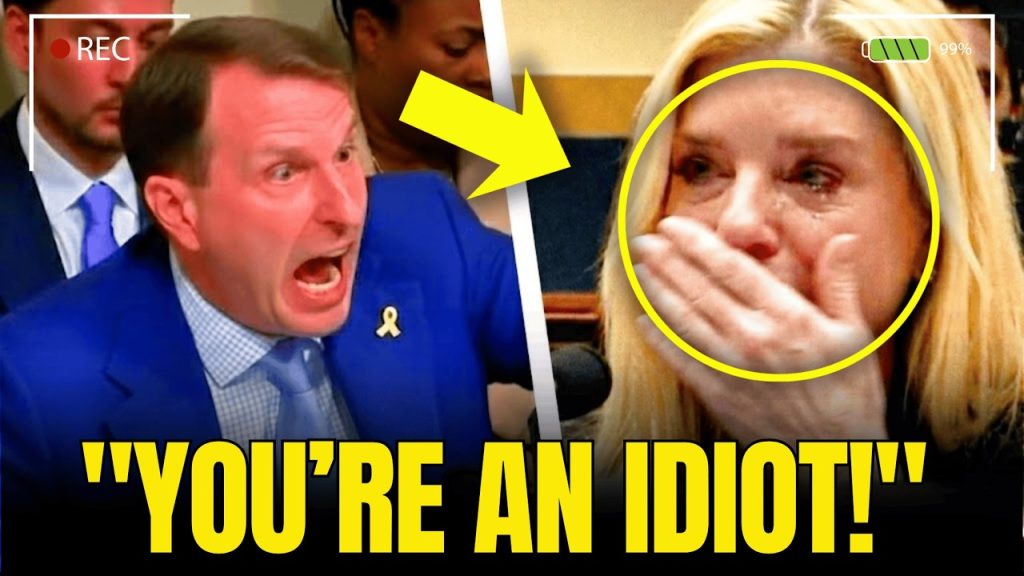
The atmosphere in the room reached a fever pitch when Goldman, a former federal prosecutor, produced what he described as an unredacted fragment of an email sent from Epstein to Ghislaine Maxwell. According to Goldman, the correspondence includes detailed notes of statements made by Mr. Trump regarding his prior relationship with Epstein—statements that Goldman asserts would prove the President has consistently misled the public. As Goldman demanded a commitment to release the full version, the air in the chamber seemed to vanish, replaced by a wall of black-bar redactions and a shouting match that left the gallery stunned.
“There is no attorney-client privilege here,” Goldman yelled over the mounting din, his voice cutting through Bondi’s repeated attempts to shut down the line of questioning. “This was a communication between two co-conspirators. You are hiding the truth from the American people to protect the man who appointed you.” The accusation was not merely political theater; it was a direct challenge to the legal architecture the Department of Justice has used to categorize three million pages of investigative material. In Goldman’s view, the DOJ is currently operating as a “black box” where inconvenient facts go to disappear under the guise of legal sensitivity.
Bondi, however, did not retreat. Instead, she leaned into a strategy of aggressive redirection. When pressed on why nearly half of the required Epstein documents remain withheld from Congress, she pivoted to the gallery of mugshots she had brought as props—images of undocumented immigrants convicted of crimes. The juxtaposition was jarring: on one side of the room, a debate over elite sex trafficking and presidential accountability; on the other, a visual polemic on border security. Critics in the room characterized the move as a “meltdown,” while supporters saw it as a necessary defense against what they termed a partisan “witch hunt” aimed at a settled matter of history.
The tension was not limited to the lawyers at the microphones. Seated directly behind Bondi were several Epstein survivors, their presence a silent but heavy indictment of the proceedings. Goldman turned to them in a moment that effectively broke the hearing’s rhythm, asking them by a show of hands if the Department of Justice had ever met with them to review their evidence. Not a single hand went up. The visual of thirty-one survivors standing in a silent row, after being told by DOJ officials that all victims had been “hopefully” heard, provided the most haunting image of the day. It transformed a debate over emails into a referendum on human accountability.
Furthermore, the forensic details Goldman introduced suggest a pattern that legal analysts say is difficult to dismiss as mere clerical error. Goldman pointed to a document titled “Epstein Victim List,” which contained 32 names. In that file, 31 names of survivors were left fully exposed to the public record, while exactly one name—presumably a high-profile associate—was carefully redacted. “Someone looked at this and decided to redact one person while leaving the victims vulnerable,” Goldman noted. “This is not a mistake. It is an intentional act of intimidation.” The claim challenges the DOJ’s narrative that the tight 30-day deadline for disclosure led to unavoidable “sloppiness.”
As the hearing adjourned, the fallout was immediate. The “Guthrie files” and recent whistleblower reports from former Yeezy staffers have already primed the public for a more expansive look at the Epstein network’s reach into Hollywood and Washington. By highlighting the existence of an 86-page prosecution memo from the Southern District of New York and a draft indictment from Florida that remain redacted even for members of Congress, Goldman has effectively moved the goalposts. The question is no longer just what Epstein did, but what the current administration is willing to do to ensure those details never reach the light of day.
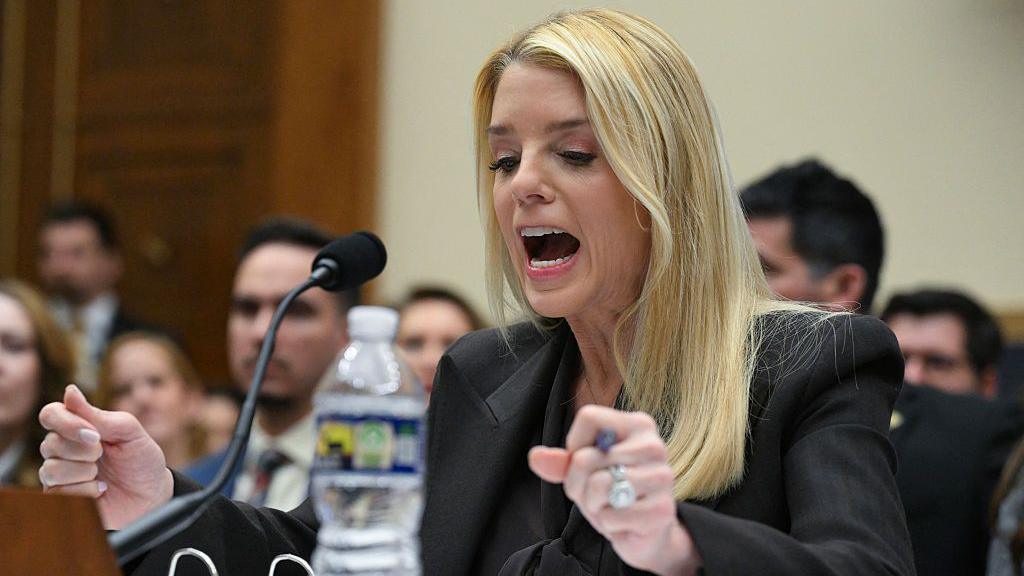
In the high-stakes game of 2026, where “soft power” and reputation are as valuable as any currency, the Epstein archives have become the ultimate battlefield. Attorney General Bondi continues to maintain that the Department has been as transparent as national security and privacy laws allow. Yet, for many watching the fireworks on Capitol Hill, the image of an Attorney General shouting “privileged” to silence questions about a President’s past feels like a structural failure of the separation of powers. The documents exist, the survivors are waiting, and the ink used to hide the names is starting to run thin under the heat of public scrutiny.
Whether Goldman’s claims of “explosive evidence” lead to a Special Counsel or simply more viral clips remains to be seen. What is certain, however, is that the era of comfortably managing the Epstein narrative is over. Every missing message and every blacked-out line is now being treated as a confession of sorts. As Washington braces for the next release of files, the pressure is mounting on the Department of Justice to prove it is an agency of law rather than a shield for the powerful. In the architecture of oversight, Tuesday’s hearing may be remembered as the day the walls finally began to crack.
