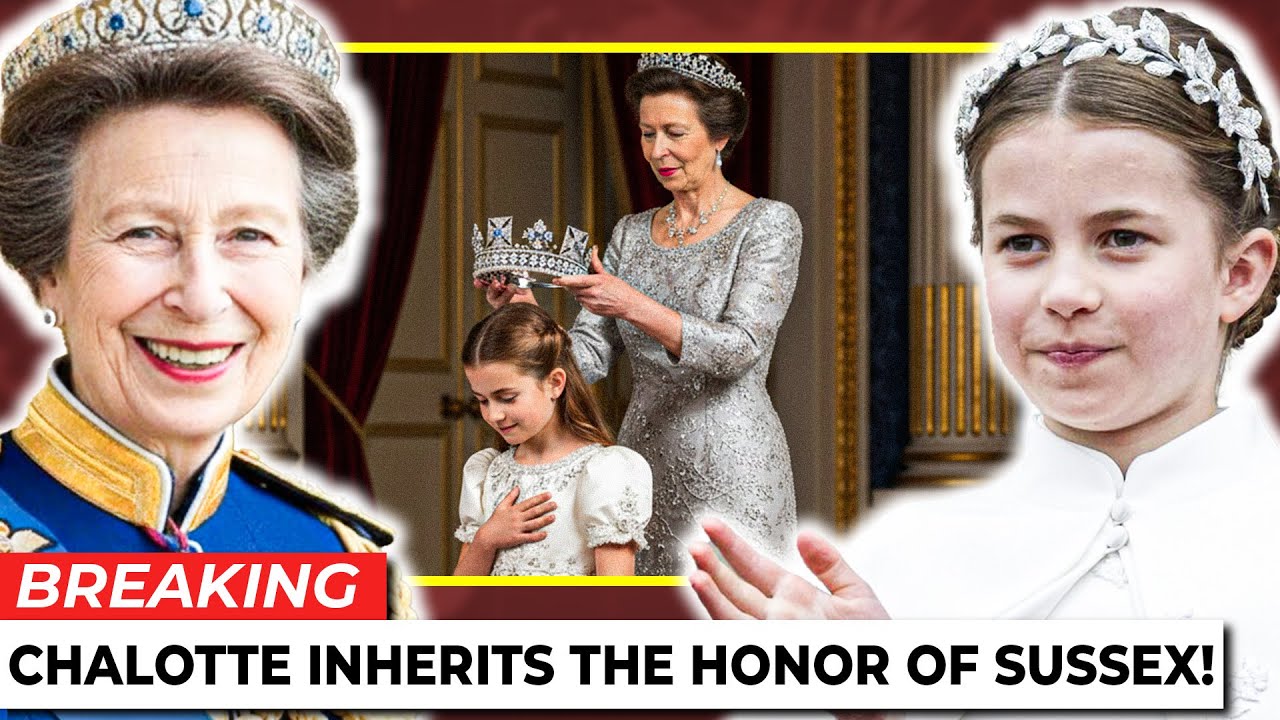
Behind the crimson drapes of the historic Oak Room, a seismic shift unfolded within the House of Windsor — one that will be studied by royal historians for decades. In an unprecedented act of authority and institutional preservation,
Princess Anne, The Princess Royal, formally revoked the titles of Duke and Duchess of Sussex from Prince Harry and Meghan Markle and reassigned the Duchess of Sussex title to
Princess Charlotte of Wales, the 10-year-old daughter of Prince William and Catherine.
The announcement, delivered in Anne’s unmistakably firm cadence, carried far more weight than ceremony. It was a course correction — a declaration that royal titles are not sentimental souvenirs, but instruments of duty.
“This isn’t about punishment. This is about responsibility,” Anne stated before the family.
“Charlotte shows respect for the Crown that Meghan never demonstrated. She will honor what was treated carelessly.”
The room — occupied only by King Charles III, Prince William, Princess Catherine, senior advisers, and the Lord Chamberlain — fell into stunned silence.
Within six minutes, the internal declaration became a global shockwave.
A Royal First: A Title Removed… and Reassigned to a Child
Never in modern royal history has a title removed from one family branch been immediately reassigned to a minor in another. Yet Anne’s reasoning, as later revealed through palace memos, was strategic:
-
The Sussex title had become inactive, associated with division and commercial exploitation rather than royal service.
-
The Crown required a “restoration figure”, someone symbolically untainted.
-
Charlotte represented a new beginning — a bridge between legacy and future.
A senior aide summarized it succinctly:
“If the Sussex title was a flag, Anne believed it had been dropped. Charlotte would lift it again.”
Buckingham Palace released its official statement moments later:
“The titles of Duke and Duchess of Sussex are considered inactive.
The title of Duchess of Sussex shall be reassigned in trust to Her Royal Highness Princess Charlotte of Wales.”
The carefully chosen wording made one thing clear:
This decision was institutional, not emotional.

Why Anne Acted — And Why Now
Sources close to the Princess Royal say the seeds of this decision were planted years earlier.
1. Andrew’s Removal Set a Precedent (January 2025)
After the full stripping of Prince Andrew’s privileges, Anne concluded that consistency demanded similar consequences for Harry and Meghan, whose global media ventures repeatedly damaged the monarchy’s credibility.
2. The Sussex Title Had Become “Functionally Unusable”
By mid-2025, several Commonwealth organizations quietly rejected projects associated with the Sussex designation, fearing political fallout.
“The title was symbolic — but symbolically broken,”
a palace insider said.
3. Meghan’s memoirs, interviews, and media projects strained institutional patience
From Oprah to Spare, Anne reportedly viewed each revelation as “an erosion of royal trust.”
Anne’s threshold, one aide said, had finally been crossed.

Why Charlotte? The Strategic Weight of a Child Duchess
Though young, Princess Charlotte has already earned public affection — and internal admiration.
-
Her perfect curtsy to Queen Camilla at Easter 2024
-
Her steady composure guiding Prince Louis during Trooping the Colour 2025
-
Her fluency in French, ballet training, and early diplomacy instincts
-
Her close bond with Catherine, who has emphasized humility, service, and self-discipline
One Kensington Palace staff member described her:
“She absorbs protocol the way other children memorize songs.”
Anne agreed:
“The title needs rehabilitation. Charlotte can restore it with honor.”
The title will be held in trust until Charlotte turns 18, but her grooming begins immediately — quietly, carefully.
The King, William, and Catherine — Three Very Different Reactions
King Charles III
Conflicted but ultimately supportive.
He worried about optics, especially amid health concerns, but ultimately endorsed Anne’s judgment:
“Perhaps it is what the institution needs.”
Prince William
Reserved, measured, but approving.
He reportedly thanked Anne afterward.
Princess Catherine
Emotional — not for the symbolism, but for what it represented:
A vote of confidence in her daughter and in the family’s approach to raising the next generation.

Harry and Meghan’s Silence — and the Shock in Montecito
No official statement came from the Sussexes.
But insiders close to the couple say they were:
-
Blindsided
-
Hurt
-
Angry
-
Fearful of future erasure
Meghan, particularly, was said to view the move as:
“An institutional deletion of everything she once represented.”
Some in the U.S. media called the act retaliatory.
Others saw it as overdue.
A National and Global Firestorm
In the UK
Polls within 48 hours revealed:
-
61% supported the title reassignment
-
27% opposed
-
Younger groups (18–34) were more sympathetic to Meghan
Headlines ranged from “A Duchess Indeed” to “Mexit: The Final Straw.”
In the U.S.
The reaction was polarized:
-
Some saw it as revenge
-
Others viewed it as a royal right
-
Talk shows immediately entered “emergency panel mode”
Across the Commonwealth
Commentators labeled it a “royal reset” and “correction of symbolic imbalance.”

Inside the Palace: This Is Strategic, Not Spiteful
According to palace insiders:
-
The Windsors are entering a period of institutional tightening
-
Titles will increasingly be tied to service, not birth
-
The next generation — George, Charlotte, Louis — will assume symbolic responsibility far earlier than previous heirs
Anne reportedly told aides:
“The Crown adapts or it dissolves.”
Her move signals the path ahead.
The Future Duchess of Sussex: What Charlotte’s Path Looks Like
Though still a child, Charlotte’s royal education will now expand to include:
-
Mentoring sessions with Princess Anne
-
Guidance from Queen Camilla on ceremonial roles
-
Training in diplomacy, cultural leadership, and public service
-
Exposure to early childhood philanthropy (echoing Catherine’s legacy)
She won’t perform duties until adulthood — but her symbolic positioning begins now.
The Verdict: A New Era, Defined by Duty Over Drama
Princess Anne’s decision marks the final, irrevocable end to the Sussex chapter as the world once knew it.
It also marks the beginning of something else:
-
A monarchy reclaiming definition
-
A future Duchess chosen not for marriage, but for merit
-
A child who represents continuity, legacy, and institutional hope
Princess Charlotte’s title is more than a reassignment.
It is a recalibration — and a signal to the world that the monarchy is preparing for its next era with intention.
As Anne is said to have told a confidant:
“Titles reflect trust.
And Charlotte, in time, will honor it.”
The Hug That Spoke Volumes: Prince Louis’s Unscripted Moment of Grace

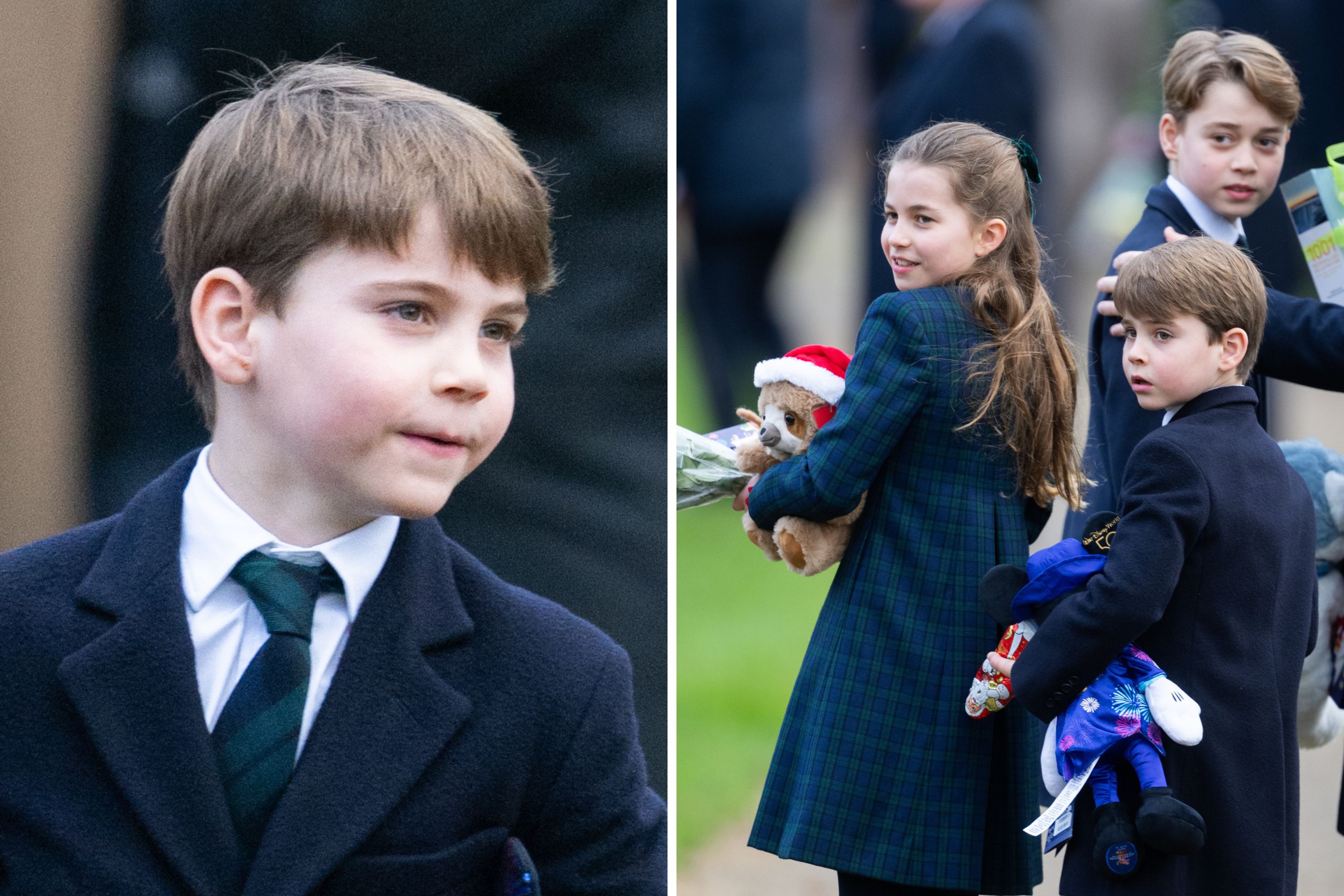
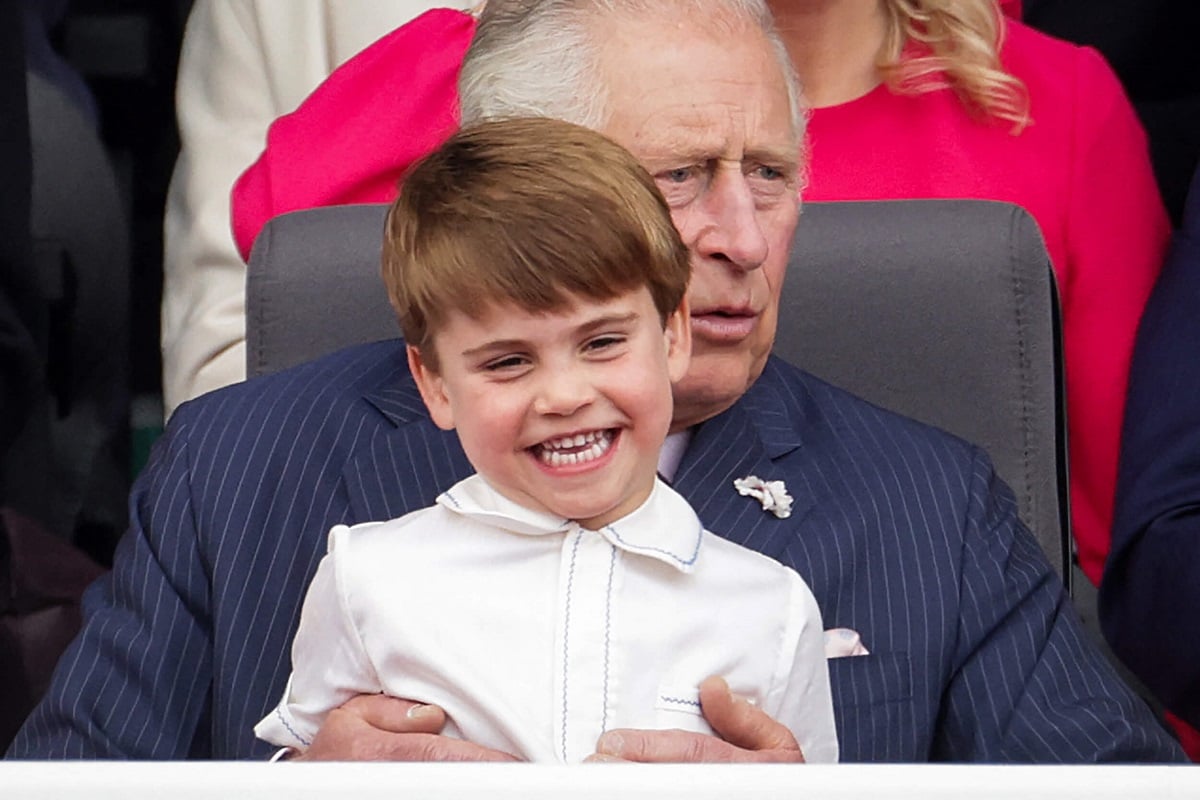
In the tightly orchestrated world of the British monarchy—where every bow, every handshake, and every smile seems carefully timed—sometimes it is the smallest, most unscripted gestures that capture our hearts. Such was the case when young Prince Louis, the spirited youngest son of Prince William and Princess Catherine, broke protocol in the most endearing way: by wrapping his tiny arms around an elder dressed in ceremonial robes.
It was brief. It was innocent. And yet, for millions watching, the image lingered. At a time when the world so often feels fragmented, this simple hug felt like a balm.
A Child’s Heart in a World of Ceremony
The scene was familiar: royals arriving in polished cars, dignitaries standing in line, photographers eager to capture grandeur. But Louis, true to his playful and affectionate nature, seemed less concerned with appearances. Standing next to his father, who greeted officials with the expected solemnity, Louis stepped forward and embraced the man before him.
There was no hesitation, no calculation. Just instinct. The instinct of a child who still sees the world not in titles or roles, but in people.
For Prince William, it was a moment that blended pride with surprise. The future king stood tall, smiling gently, while his son reminded everyone—without a single word—that humanity does not vanish in the face of tradition.
Why This Moment Resonates
For many in the audience, particularly those now in their 50s and 60s, the scene stirred something deep and familiar. It wasn’t simply a royal child behaving adorably—it was a reflection of their own pasts, their own children, and their own grandchildren.
-
For parents, it recalled the times their little ones, too small to understand etiquette, reached out with impulsive affection at family gatherings or public events.
-
For grandparents, it was a reminder of the grandchildren who run past formalities to hug them tight, as if love cannot wait for introductions.
-
For those without children of their own, it was a universal reminder of how pure and disarming a child’s love can be.
In that instant, Louis connected not just with the man he hugged but with millions of viewers who saw themselves, their families, and their memories in his embrace.
A Break in the Wall of Formality
The British monarchy has long been associated with discipline, distance, and composure. Generations have been raised to understand that one must never falter under the public gaze. But it is precisely when a child interrupts this wall of formality that the royals feel most human.
Louis’s hug was more than a sweet distraction; it was a crack of sunlight through heavy curtains. It reminded us that behind centuries of tradition, the royal family is still a family—complete with all the unplanned moments that knit relatives closer together.
For a monarchy that often struggles to remain relatable in modern times, these small glimpses of warmth matter. They soften public perception. They bridge the distance between palace gates and everyday households.
The Symbolism of Innocence
In a divided world where headlines constantly churn out conflict, scandal, and loss, a child’s hug can feel radical. It is a declaration that kindness still exists, that affection still flows, and that innocence has power.
Louis’s simple act spoke louder than speeches. It reminded us that love does not need translation, that empathy requires no protocol. His hug belonged not to royalty but to humanity.
A Glimpse Into the Future
Though still young, Prince Louis is already carving a place in the hearts of royal watchers. Known for his cheeky expressions at Trooping the Colour and his restless energy during long ceremonies, he embodies the unpredictability of childhood. But this moment showed something more: tenderness.
Standing next to his father, he offered not just charm but connection—a sign of the man he may one day become. And if his instinct for kindness endures, it will serve him well in whatever role history grants him.

Why It Will Be Remembered
Years from now, historians may recall the speeches, the dignitaries, and the ceremonial details of this day. But ordinary people will remember something simpler: a little boy hugging an elder without hesitation, while his father watched with quiet pride.
Because sometimes history is not written in grand proclamations or royal decrees. Sometimes it is written in fleeting gestures of love that touch millions and linger long after the cameras turn away.
Prince Louis gave us that gift—a reminder that beyond crowns and traditions, it is the smallest acts of humanity that leave the deepest marks on our hearts.
